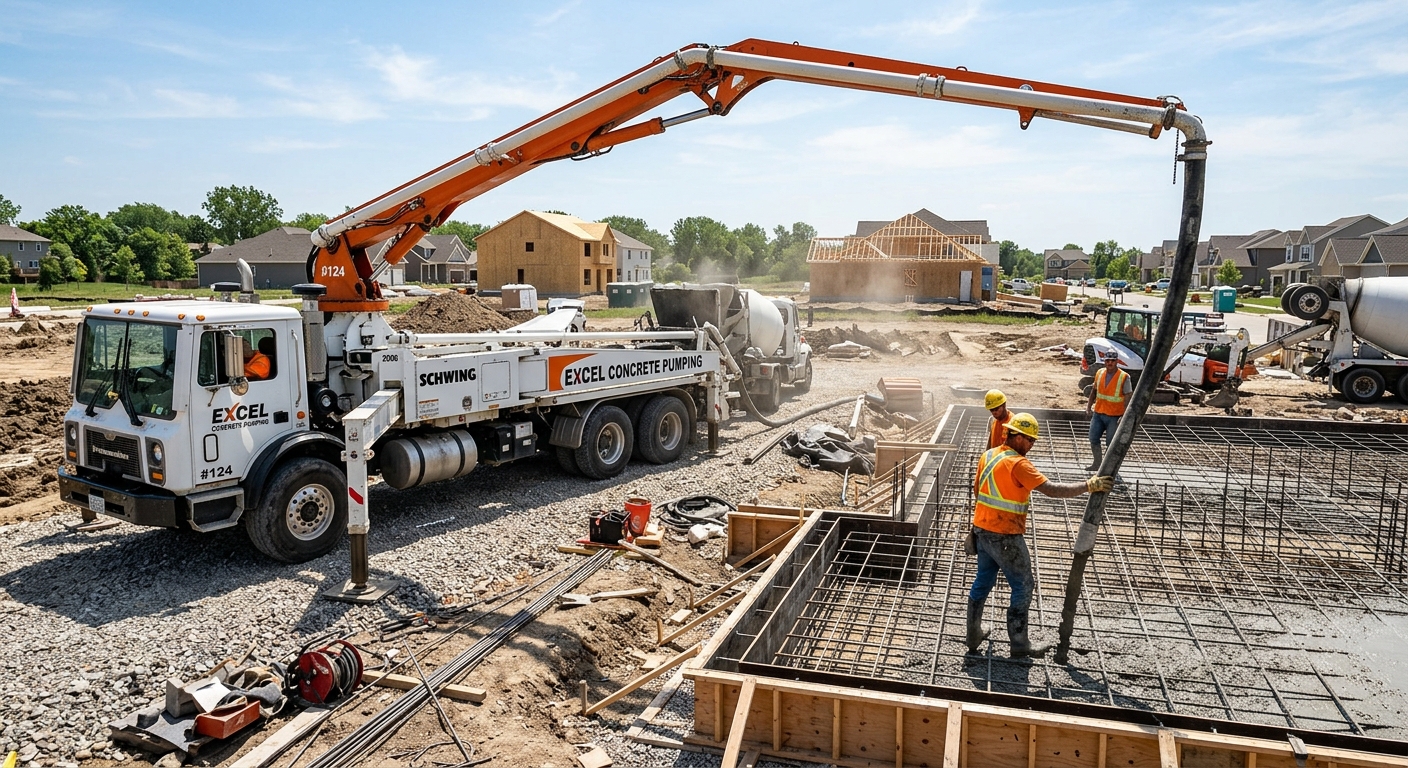
Concrete work options and costs in University Heights
University Heights, Alberta is a great place to add durable concrete—because so much of the local housing stock is built around single-detached neighbourhood living. In the 2021 Census, the population was 2,965 (Statistics Canada, 2021 Census), and that steady demand supports reliable crews for driveways, patios, walkways and below-grade foundation work. Even so, concrete pricing here is heavily influenced by Calgary-area climate realities: a cold continental season with frequent freeze–thaw cycles means your contractor can’t “value engineer” the details. Footings and exterior slabs must be designed for frost protection, and exterior concrete needs air-entrained mixes plus control-joint planning to manage cracking and surface wear over time.
In practical terms, contractors often see the busiest scheduling around the established residential pockets near 112 Avenue SE and the University District area where homeowners commonly update driveways, add backyard patios, and complete garage pads during renovations. If you’re comparing options, the finish choice (broom vs exposed aggregate vs stamped) affects labour time and material cost, but the bigger swing in price is usually site prep and engineering-driven foundation depth. That’s why a “same-size” driveway can land in different budget brackets—especially when excavation is deeper due to the design frost depth and when cold-weather curing precautions are needed to protect the early-age concrete.
Use the table below as a starting point for budgeting, then align your spec to Calgary-area freeze–thaw performance.
| Application |
Typical Size |
Key Spec |
Finish Option |
Price Range |
| Concrete driveway (standard broom finish) |
600 sq. ft. (e.g., 12 ft × 50 ft) |
Air-entrained exterior mix, compacted granular base |
Broom finish with control joints |
$12,000–$18,000 |
| Exposed aggregate driveway |
600 sq. ft. (e.g., 12 ft × 50 ft) |
Proper exposure timing, air-entrained exterior mix |
Exposed aggregate with sealer-ready surface prep |
$14,500–$21,500 |
| Stamped concrete driveway or patio |
400–800 sq. ft. (varies by layout) |
Minimum 32 MPa, air-entrainment, joint pattern planning |
Stamp mats + colouring (integral + release) |
$15,000–$26,000 |
| Plain concrete patio or walkway |
250–500 sq. ft. |
Air-entrained mix, compacted base, proper slope |
Plain trowel/screed with broom edges + joints |
$5,000–$9,000 |
| Garage floor (interior slab) |
480–640 sq. ft. |
Vapour barrier (as applicable), reinforced slab design |
Broom finish or light trowel finish |
$9,000–$16,000 |
| Foundation footings (structural, below frost) |
House + attached features (project dependent) |
Engineered design, excavation below design frost depth |
Structural concrete only (no decorative finish) |
$28,000–$45,000 |
Prices are estimates only and vary by project scope, site access and material selection.
What affects the price of concrete work in University Heights
In University Heights and across the Calgary economic region, you can easily see 30–50% differences between quotes for what looks like the “same” concrete job. The main reasons aren’t branding—they’re the engineered parts of the work (frost protection, reinforcement, mix design) and the hidden site variables (how much excavation is needed, what the soil conditions are, and how easily a concrete truck can reach the forms). Calgary’s cold continental winters also shorten the effective placement season, so a contractor may need cold-weather equipment (insulation blankets, temporary heat) to protect curing concrete—especially for exterior slabs poured near shoulder seasons.
Frost depth is a big driver in Alberta: concrete footings must extend below the design frost depth to reduce frost heave and seasonal movement. With freeze–thaw cycles being frequent, exterior concrete generally requires air-entrained mixes to resist scaling and spalling. That means every driveway, patio, walkway and retaining pad isn’t just “concrete”—it’s concrete specified for longevity. If de-icing salts are used (almost always in this region), sealing becomes more important, and sealing adds a realistic cost line.
Here are a few University Heights examples that move prices up or down. A driveway at the typical $12,000–$18,000 band can climb toward the higher end if excavation goes deeper than expected, or if reinforcement and a thicker base are required for heavy vehicles. A plain patio that fits the $5,000–$9,000 band may increase if drainage grading is complex or if the pour needs heated curing for early/late season scheduling.
| Price Factor |
Why It Matters |
Cost Impact |
| Frost line depth — determines footing depth |
Footings must bear below design frost to prevent heave |
Can add significant excavation and form height; higher cost jobs often land nearer the foundation bands |
| Site preparation |
Excavation, grading, and compacted granular base control settlement and cracking |
More haul-off/extra base raises cost; limited access keeps cost lower |
| Reinforcement |
Rebar or mesh improves slab performance under load and thermal movement |
May increase labour and material; typically necessary for driveways/garage slabs |
| Mix design |
Air-entrainment and strength spec are key in freeze–thaw climates |
Improper mix can fail early; proper air content can slightly raise material cost but protects the slab |
| Finish type |
Broom vs stamped vs exposed aggregate affects labour time and materials |
Stamped/exposed generally pushes projects toward the decorative bands |
| Pour size and concrete truck access |
Longer reaches, extra labour, or pump needs increase placement time |
Hard access can add labour and equipment; good access helps keep within budget |
| Cold-weather curing precautions |
Insulation/heat protect early strength gain and reduce surface scaling |
Shortens practical pour season; can add noticeable costs during late fall/early spring |
| Control joint pattern and sealing cost |
Joints reduce random cracking; sealing helps resist de-icing salt damage |
More joints and proper sealing increase scope but reduce long-term maintenance |
Permits & regulations in Alberta
In Alberta, structural concrete work generally needs more oversight than typical flatwork. For University Heights homeowners, the key rule of thumb is: structural items like foundation footings, foundation walls, grade beams and other load-bearing concrete components usually require a building permit, and engineered drawings are commonly reviewed as part of the permit process. Concrete flatwork—patios, walkways and most driveways—typically does not require a permit by itself, unless your project affects lot grading, ties into drainage in a way that impacts municipal requirements, or triggers impervious surface/right-of-way considerations. Always confirm with the local authority before breaking ground.
Whether structural or non-structural, hiring the right contractor matters. Start with the contractor’s liability insurance certificate (ask for a current COI naming you as an additional insured if your contract supports that), and verify Workers’ compensation coverage (WSIB/WCB) so trades working on your site are properly covered. Then, for Alberta licensing verification, follow the appropriate online registry path for the contractor/business entity (use the official Government of Alberta contractor listing where available). For many projects, you’ll also want clearance documentation or active coverage confirmation letters—request them during quote stage, not after work begins.
Step-by-step: (1) request the quote package, (2) ask for COI + WSIB/WCB clearance, (3) verify the contractor’s licence/status through the official provincial registry, (4) confirm whether permits/engineering are included in the scope, and (5) review the contract for who is responsible for inspections and documentation.
Getting concrete right in University Heights's freeze-thaw climate
Concrete in University Heights fails most often when the job is spec’d for summer, but installed into a freeze–thaw environment. The early-age period is critical: if curing is rushed in late fall or early spring, the surface can scale, and the slab may not develop durable strength uniformly. The Calgary market also sees failures when the base is under-built or when contractors reduce air-entrainment to save money. In a cold continental climate, air-entrained concrete is a must for exterior flatwork because it provides microscopic space to manage freeze–thaw pressure.
To get the spec right, start with base preparation: the compacted granular sub-base must be placed to the correct thickness and at the right compaction level for your local soil and drainage. Next, mix design: specify an air-entrained exterior mix with target air content of about 5–7% for exposed exterior flatwork, plus a minimum 32 MPa compressive strength. Then plan control joints early—spacing should be set to limit random cracking, even with good reinforcement. For curing, plan for a minimum 7-day curing period under proper conditions; if temperatures drop, require blankets and/or heating to keep curing stable. Finally, sealing: apply a penetrating sealer after the cure window (commonly after 28 days) so de-icing salts don’t accelerate spalling.
A dollar reality check: a broom-finish driveway might fit the $12,000–$18,000 range, while stamped concrete typically sits in the $15,000–$26,000 band. The price difference is justified when the base, joints, air content and curing are done correctly—otherwise the decorative surface won’t last any better than plain concrete.
| Spec |
Why It Matters in University Heights |
What to Ask For |
Impact if Skipped |
| Compacted granular base (depth?) |
Proper base prevents settlement and reduces cracking in freeze–thaw |
Ask for designed base depth and compaction method; confirm slope/drainage |
Settlement, uneven wear, and early cracking/spalling |
| Air-entrained concrete mix (target air %?) |
Air entrainment controls freeze–thaw damage in Calgary-area conditions |
Ask for target air content (commonly 5–7% for exterior flatwork) and mix notes |
Higher risk of scaling and spalling over winter cycles |
| Compressive strength (MPa rating) |
Strength supports durability and load performance under traffic and thermal stress |
Ask for minimum 32 MPa at specified test age |
Surface wear, durability problems, and reduced long-term performance |
| Control joints (spacing per ACI guidelines) |
Joints control where cracks form as concrete shrinks and moves |
Ask for joint spacing/layout on drawings and how joints match forms/finishes |
Random cracking and wider defects that let water in |
| Minimum 7-day curing period |
Early curing is essential to prevent damage during cold snaps |
Ask how they will protect the slab if temperatures drop (blankets/heating) |
Reduced strength gain, surface scaling, and long-term deterioration |
| Penetrating sealer (when applied after cure) |
Sealing helps repel de-icing salt and reduces moisture ingress |
Ask for penetrating sealer application after cure (commonly around 28 days) |
Faster surface breakdown and spalling around edges/joints |
How to choose a concrete work contractor in University Heights
For concrete work in University Heights, start by verifying that the contractor is properly set up to do the job—and protected if something goes wrong. In Alberta, confirm licensing/status through the official provincial registry for contractors where applicable, then request a certificate of insurance (liability) showing current coverage and an endorsement if your contract requires you to be named on the policy. Next, verify WSIB/WCB coverage so workers on your site are covered; ask for a clearance letter or confirmation directly from the insurer/administrator. If a contractor can’t provide documentation promptly, treat that as a red flag.
Then, insist on 2–3 itemised written quotes. You want labour and materials broken out (excavation/grading, base material, reinforcement, formwork, concrete supply, finishing, curing protection, joints, and sealing). Avoid lump sums with vague inclusions. Carefully review scope: is disposal of excess soil included? Is excavation depth and granular base thickness specified? Is permit pulling included for structural work? Finally, check the warranty: workmanship warranty length, how long it lasts, and whether manufacturer product warranties apply to the materials used. Clarify whether any warranty is transferable to future owners.
Payment schedule matters. For typical concrete projects, never pay more than 10–15% upfront, and use a holdback until the job is complete and cleaned up. Get the timeline in writing: a start date window, estimated finish date, and what happens if weather forces a delay.
- Ask for recent references for driveways/patios in Calgary-area freeze–thaw conditions.
- Verify licence/status (where required) via Alberta’s official contractor registry.
- Request current liability insurance COI before work starts.
- Confirm WSIB/WCB clearance for workers on your project.
- Demand itemised pricing (base, reinforcement, concrete supply, finishing, sealer).
- Require mix details: air-entrainment and minimum strength (commonly 32 MPa).
- Confirm base preparation depth and compacted granular base specs.
- Ask for control joint layout and expected spacing.
- Require a curing plan for cold weather (blankets/heating if needed).
- Clarify whether sealing is included and the timing (often after 28 days).
- Review disposal/haul-away and site restoration responsibilities.
- Use a contract with milestone-based payments and a holdback until completion.
Concrete contractor red flags in University Heights: (1) quotes that don’t mention air-entrainment for exterior work, (2) no written curing/blanket plan for cold snaps, (3) “we’ll pour whenever” scheduling without temperature protections, (4) vague scopes that omit base depth/compaction and joint layout, and (5) asking for large upfront payments with no clear milestones.
Frequently asked questions — concrete work in University Heights
How much does concrete work cost in University Heights?
In University Heights, most homeowners budget based on the project type and how much excavation and frost-protection work is needed. For example, concrete driveways typically land in the $12,000–$18,000 range for standard broom-finish work, assuming standard site conditions and good truck access. Plain patios and walkways commonly fall in the $5,000–$9,000 band, while decorative stamped concrete usually fits the $15,000–$26,000 bracket depending on size and complexity. Foundation/footing work is often the biggest variable and commonly sits around $28,000–$45,000 for footing scope. Quotes can swing 30–50% when contractors differ on base prep depth, reinforcement, or cold-weather curing precautions—so always compare specs, not just the final total.
How deep must footings be for University Heights's frost line?
For University Heights, you should plan for footings designed below the local design frost depth used in Alberta engineering practice. In Calgary-area conditions, the design frost depth is commonly about 1.2 m (roughly 4 ft). Practically, that means excavating deeper than many homeowners expect and building forms high enough for structural concrete to bear on undisturbed soil beneath that depth. Depth isn’t a “one number fits all”—soil conditions, engineering requirements, and the foundation system can affect final details. This is exactly why foundation quotes can vary: deeper excavation and higher formwork increase labour, equipment time, and concrete volume. Always rely on the engineered foundation plan rather than guessing from surface conditions.
Why does concrete crack in University Heights and how is it prevented?
Concrete cracking in University Heights is usually normal shrinkage and temperature movement showing itself in a controlled way—or, if the spec is wrong, in an uncontrolled way. Freeze–thaw cycles increase the risk when water gets into micro-cracks, so control joints and sealing matter. Prevention starts with a proper compacted granular base so the slab doesn’t settle, then air-entrained exterior mix to resist freeze–thaw damage, plus a minimum 32 MPa strength spec for durability. Control joints should be spaced according to industry guidance so cracks form at joints instead of randomly across the panel. Finally, cold-weather curing and proper curing protection help the slab reach early strength before winter stress. When these are done, cracks (if any) tend to be narrow and predictable.
Stamped vs broom-finish concrete — cost difference?
Stamped decorative concrete costs more than broom-finish because the process takes extra labour and consumables. In University Heights, a broom-finished driveway is commonly in the $12,000–$18,000 band, while stamped concrete driveway or patio work often lands in the $15,000–$26,000 range depending on size and how detailed the pattern/colouring is. The “gap” isn’t just for looks—stamped work requires careful joint planning, consistent curing, and good surface preparation so the decorative texture doesn’t deteriorate unevenly in freeze–thaw weather. If a contractor is cutting corners on base prep, air-entrainment, or curing, stamped concrete won’t last any better than plain concrete. So, compare the technical spec lines, not only the finish name.
When is the best time to pour concrete in University Heights?
The best time for exterior pours in University Heights is typically when overnight temperatures are stable and the contractor can meet curing requirements without excessive heating and blanket costs. In Calgary-area conditions, late fall and early spring can still work, but only if the contractor has a real cold-weather curing plan (insulated blankets and/or temporary heat) to protect early strength gain. If curing is rushed, you can see surface scaling and reduced durability later—especially on driveways and patios exposed to de-icing salts. For homeowners, ask for the contractor’s temperature procedure and how they’ll handle wind, precipitation and early freezing risk. A reputable crew will schedule based on forecasted conditions, not just their calendar.
How long does concrete take to cure?
For concrete in University Heights, curing timing is more than a “wait and go” guideline. A minimum 7-day curing period is a common baseline before you expect the concrete to handle typical early-age stress, but that assumes proper curing conditions. If the weather is cold, curing protection (blankets/heating) is needed so the concrete reaches adequate strength during the early window. After the slab has cured, many exterior coatings/sealers are applied after a longer cure window—often around 28 days—so the sealer can properly penetrate and resist de-icing salt exposure. If you seal too early, it can reduce performance. Ask your contractor for the exact curing plan and when they will recommend sealing based on temperature and curing history.