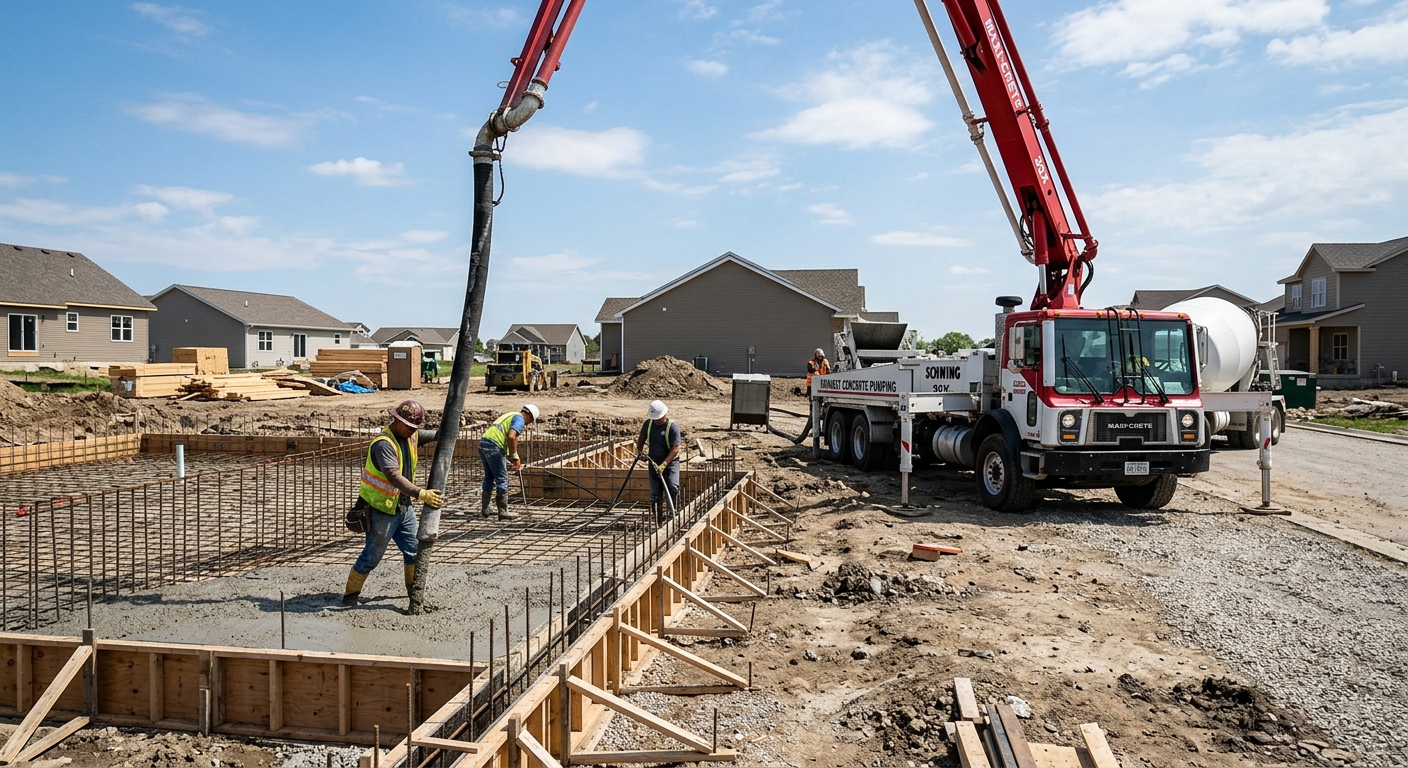
Concrete work options and costs in Rundle Heights
Rundle Heights, Alberta is built for real winters, and that shows up in every concrete quote—from driveways to footings. In a neighbourhood of about 3,359 residents as of the 2021 Census (Statistics Canada, 2021 Census), most homeowners are dealing with the practical needs of single-detached living: durable flatwork for vehicles, play areas and walkways, plus foundations engineered for frost movement. Calgary’s concrete market also has steady demand in family-oriented pockets like Currie Barracks-area development clusters and the broader southeast Calgary growth corridor where new builds and renovations commonly trigger driveway, patio, and slab work.
Concrete costs in this region run higher than many homeowners expect because Calgary’s cold continental climate drives deeper frost design and frequent freeze–thaw cycles. Local engineering practice typically assumes a design frost depth of about 1.2 m (roughly 4 ft), meaning footings for houses, garages, decks and retaining structures must bear on undisturbed soil below that depth. Exterior slabs also need air-entrained mixes, well-compacted granular bases, and control joints spaced to reduce cracking and freeze-thaw damage over time. On top of that, the exterior pour season is shorter; late fall and early spring placements often require cold-weather curing precautions (insulated blankets, heating, and stricter temperature control) to protect the concrete as it gains strength.
If you’re trying to budget, it helps to compare common scope choices side-by-side. Use the table below as a realistic starting point for typical Rundle Heights pricing, then we’ll break down the specific cost drivers that swing bids up or down.
| Application |
Typical Size |
Key Spec |
Finish Option |
Price Range |
| Concrete driveway (standard broom finish) |
400–600 sq ft |
Air-entrained exterior concrete; compacted granular base; rebar where required |
Broom finish, standard edging |
$12,000–$18,000 |
| Exposed aggregate driveway |
400–600 sq ft |
Air-entrained exterior concrete; proper curing window to develop aggregate |
Exposed aggregate (washed) with sealer recommended |
$14,500–$22,500 |
| Stamped concrete driveway or patio |
300–500 sq ft |
Air-entrained exterior mix; base and joints to manage shrinkage |
Stamped pattern + release; decorative borders |
$15,000–$26,000 |
| Plain concrete patio or walkway |
200–350 sq ft |
Air-entrained mix; compacted granular base; control joints |
Float/steel trowel (where appropriate) or broom finish |
$5,000–$9,000 |
| Garage floor (interior slab) |
480–650 sq ft |
Vapour barrier considerations; minimum strength as specified; joints as needed |
Plain broom or light trowel finish |
$10,500–$16,500 |
| Foundation footings (structural, below frost) |
Typical single-detached footing scope |
Engineered rebar/cage; excavation to design frost depth; air-entrainment as required |
Structural concrete below grade |
$28,000–$45,000 |
Prices are estimates only and vary by project scope, site access and material selection.
What affects the price of concrete work in Rundle Heights
In Calgary and the surrounding region, two contractors can quote the “same” concrete job and still be 30–50% apart. The difference usually isn’t the concrete itself—it’s everything around it: how deep they excavate, how they prepare the granular base, what reinforcement they include, and how they protect curing in cold snaps. Calgary’s deeper frost design drives larger footing and foundation excavation volumes than many homeowners are used to, and that pushes foundation costs toward the upper end of the $28,000–$45,000 band. For flatwork, the region’s freeze–thaw cycles require air-entrained concrete and a reliable control-joint plan, which is why “cheap” bids often end up costing more later through scaling or premature spalling. Exterior pours also face a shorter practical season; if your pour is late fall or early spring, cold-weather curing precautions (heating, insulated blankets and temperature tracking) can add meaningful labour and equipment time.
In Rundle Heights, these factors show up in everyday scope decisions. For example, driveways typically price near $12,000–$18,000 when truck access is straightforward and the granular base thickness is consistent. If the site needs significant regrading, adding geogrid or hauling extra base material, expect a noticeable bump. Another example: a stamped patio can jump from the mid-range to the higher end of the $15,000–$26,000 band when demolition, rebar placement, and extra finishing time for stamp release and borders are included. Finally, housing-stock age matters—older lots often have outdated grading or imperfect drainage patterns, and correcting those issues may require extra excavation and sub-base prep before concrete placement, directly affecting total cost.
| Price Factor |
Why It Matters |
Cost Impact |
| Frost line depth — determines footing depth and form height |
Footings must extend below design frost depth to prevent frost heave and seasonal movement |
Higher excavation and concrete volume can move foundation pricing upward |
| Site preparation — excavation, grading, compacted granular base |
Concrete life depends on base stiffness and drainage, especially with freeze–thaw |
Complex grading, hauling, or poor soil often adds cost |
| Reinforcement — rebar or wire mesh requirement |
Crack control and structural performance under vehicle loads and temperature cycling |
More steel and proper placement increases labour and materials |
| Mix design — air-entrainment and compressive strength spec |
Air-entrainment helps resist freeze–thaw damage and scaling; strength affects durability |
Higher-spec mix and quality control can raise costs modestly but protects lifespan |
| Finish type — broom vs. stamped vs. exposed aggregate |
Decorative finishes need extra labour and strict curing timing |
Stamped/exposed aggregate typically costs more than plain broom finish |
| Pour size and concrete truck access to site |
Long carries, tight access, and multiple pours increase labour and coordination |
Access limits can add significant mobilization and time |
| Cold-weather curing precautions — heating and blankets |
Correct temperature control helps concrete reach strength without surface scaling |
Winter-grade curing practices can add equipment and labour |
| Control joint pattern and sealing cost |
Joints manage shrinkage cracking; sealing helps repel de-icing salts |
Proper joint layout and sealer add scope, but reduce long-term damage risk |
Permits & regulations in Alberta
In Alberta, structural concrete work typically requires a building permit. That includes concrete elements like foundation walls, grade beams, footings, and any structural foundation-related pours that affect the load-bearing system. In many cases, engineered drawings are reviewed as part of the permit process, especially when excavation to frost depth and reinforcement layouts are involved. For concrete flatwork—driveways, patios and walkways—a permit often isn’t required when the work stays within the normal surface and drainage boundaries of your lot. However, permits can become necessary if the project affects lot grading, stormwater drainage, or impervious surface coverage limits, or if there are any municipal right-of-way impacts (for example, altering curb approaches).
Before breaking ground in Rundle Heights, confirm the contractor’s paperwork and coverage. Step-by-step, start by asking for a certificate of insurance showing liability coverage (and the proper named insured). Next, verify WSIB/WCB coverage (most Alberta contractors use WCB/WSIB clearance documentation; don’t accept “we’ll cover it”). Then, check Alberta licensing/registration using the contractor’s business information through the appropriate online registry or licensing listing tied to the trade. Finally, request references from similar-scale concrete projects in Calgary—especially flatwork exposed to salt and freeze–thaw.
Getting concrete right in Rundle Heights's freeze-thaw climate
Concrete fails in Rundle Heights most often because freeze–thaw processes attack weak, poorly prepared, or poorly cured surfaces. The two big triggers are inadequate base preparation and poor mix/cure protection. If the sub-base isn’t compacted to the right thickness for local soil conditions, water can migrate under the slab and expand during cold cycles, causing voids, settlement, and cracking. If the mix isn’t properly air-entrained, moisture inside the concrete can expand when temperatures drop, leading to surface scaling and deeper spalling over time—especially on driveways where de-icing salts and traffic load combine.
To spec the job correctly, start with base preparation: a compacted granular sub-base designed to support the slab and manage frost action. Next, insist on air-entrained concrete for exterior flatwork—commonly targeting 5–7% air content for durable freeze–thaw resistance—and a minimum 32 MPa compressive strength as specified by the contractor/engineer for the application. Then require a control joint plan with spacing that limits random cracking to manageable locations. For curing, plan for at least 7 days under proper conditions; in cold weather, ask whether they’ll use insulated blankets and/or heating to maintain temperature and prevent premature freezing. Finally, for long-term protection against Calgary-area salt, request a penetrating sealer applied after the concrete has adequately cured (commonly around 28 days) to repel de-icing salts.
Here’s where pricing makes sense: if a “budget” patio bid saves a little on base thickness or air content, the difference can be small up front, but the early failure risk is high. A properly built plain patio often lands in the $5,000–$9,000 band—while a decorative stamped upgrade can push toward $15,000–$26,000 because of finish labour and tighter quality timing. The goal is not just to match the look—it’s to match the freeze–thaw specs.
| Spec |
Why It Matters in Rundle Heights |
What to Ask For |
Impact if Skipped |
| Compacted granular base (depth?) |
Prevents water pumping and supports slab through freeze–thaw cycles |
Granular base thickness, compaction method, and drainage plan |
Settlement, cracking, and faster deterioration |
| Air-entrained concrete mix (target air %?) |
Helps concrete resist freeze–thaw damage and scaling |
Air content target (commonly 5–7% for exterior flatwork) |
Spalling and surface scaling, especially under de-icing salts |
| Compressive strength (MPa rating) |
Strength gain affects durability and resistance under traffic and temperature cycling |
Confirm minimum 32 MPa (or as engineered for structural scope) |
Weaker concrete can crack and wear prematurely |
| Control joints (spacing per ACI guidelines) |
Controls where shrinkage cracks appear rather than random cracking |
Joint spacing plan and saw-cut timing |
Random cracks that allow water intrusion |
| Minimum 7-day curing period |
Concrete needs time and conditions to reach strength without freezing |
How curing will be protected; cold-weather method if needed |
Surface scaling and reduced long-term performance |
| Penetrating sealer (when applied after cure) |
Helps reduce chloride and salt penetration common in winter maintenance |
Which sealer, and application timing after cure (often ~28 days) |
More freeze–thaw damage over multiple winters |
How to choose a concrete work contractor in Rundle Heights
Choosing a concrete contractor in Rundle Heights starts with coverage and verification. In Alberta, ask for proof of liability insurance and WSIB/WCB clearance before signing. Check the certificate of insurance for current dates and ensure it lists your project address (or your exact customer name) appropriately. For WSIB/WCB, request a clearance letter or confirmation that they’re active and in good standing for the relevant period. Then verify licensing/registration for the contractor/trade through Alberta’s appropriate online registry or the contractor’s listing—don’t rely on verbal assurances.
Next, get 2–3 itemised written quotes. The best bids separate labour and materials and clearly list what’s included: excavation scope, granular base prep, reinforcement, concrete mix type, finishing, saw-cut joints, and sealing (if included). Watch for exclusions like “no disposal” or “extra for rebar” that can erase a price advantage. Confirm whether permits (for structural scope) are included, and whether they handle scheduling with concrete suppliers and curing equipment.
For warranty, ask for the workmanship warranty length and whether it covers cracking, spalling, or surface scaling. Also ask for the product/manufacturer warranty where applicable and whether you can benefit from it directly. On payment, a safe approach is keeping upfront to 10–15% and using a holdback until the final finish and cleanup are complete. Finally, insist on a timeline in writing: start date, pour date (if known), cure/return date for sealing, and completion estimate.
- Provide a written quote with line items for base, reinforcement, and finishing.
- State exact concrete mix requirements (air-entrainment and strength) for exterior work.
- List expected excavation depth and granular base thickness.
- Confirm control joint spacing and when saw cuts will be made.
- Explain cold-weather procedures (blankets/heating) if temps drop.
- Clarify disposal: who hauls spoil and where it goes.
- Confirm truck access plan (and any charges for pumping/extra labour).
- Ask if sealing is included and when it will be applied after cure.
- Check insurance dates and request WSIB/WCB proof before work starts.
- Get project-specific photos of similar Rundle Heights or Calgary jobs.
- Set a clear payment schedule with a holdback until completion.
- Require a written start/completion timeline and weather contingency plan.
Red flags in Rundle Heights include contractors who won’t discuss air-entrainment or joint layout, quotes that lump “concrete” with no breakdown of base or reinforcement, crews that refuse to show curing/temperature protection plans for cold weather, unclear disposal and access handling, and warranties that are vague (or exclude freeze–thaw issues) without explaining what you’re covered for.
Frequently asked questions — concrete work in Rundle Heights
How long does a concrete driveway last?
In Rundle Heights and across Calgary’s winter climate, a well-built driveway often lasts 20–30 years, and sometimes longer, if the base is compacted correctly, the concrete is air-entrained for freeze–thaw, and control joints are placed to manage cracking. The biggest performance difference usually isn’t the concrete “brand”—it’s whether the contractor engineered the base, cured properly, and designed joints. If you’re comparing quotes in this neighbourhood, don’t just chase the lowest number; a properly specified driveway in the typical $12,000–$18,000 band usually includes exterior-grade mix, adequate base prep and joint work that helps it survive multiple winters. Sealing (often around 28 days post-pour) also helps repel de-icing salts and can extend service life.
What is air-entrained concrete and why does it matter here?
Air-entrained concrete is made with microscopic air bubbles intentionally included in the mix. Those bubbles give freeze–thaw-expanded water a place to go inside the concrete, reducing pressure that would otherwise cause scaling and spalling. In Rundle Heights, the freeze–thaw cycles and winter salting make this critical for exterior concrete like driveways, patios and walkways. If a contractor doesn’t specify air-entrainment, the surface can start breaking down after repeated winter seasons, even if the concrete looks fine at first. For exterior work, a common target is about 5–7% air content. This is one reason Calgary pricing can vary: air-entrainment isn’t expensive by itself, but the quality control, testing and proper placement/curing practices add cost—and they’re what protect durability.
How do I prepare the base for a concrete slab?
Base preparation is where durability is won or lost. For a concrete slab in Rundle Heights, the contractor should excavate to the planned subgrade level, remove organic material, and install a compacted granular sub-base designed for local soil conditions. That compaction matters because water and voids under the slab accelerate freeze–thaw damage. For exterior flatwork, you should expect a granular base that supports proper drainage and limits frost action impact. Ask your contractor to state the granular base thickness (and whether they use any geotextile or stabilization where needed), the compaction method (lift-by-lift), and how they’ll manage slopes for drainage. If they can’t explain base depth and compaction, treat it as a major gap—especially given Calgary’s deeper design frost and frequent winter temperature swings.
How do I compare concrete quotes?
Comparing quotes is easiest when you force apples-to-apples scope. Ask each contractor for an itemised breakdown covering excavation, disposal, granular base prep, reinforcement (rebar/wire mesh and placement), concrete mix design (air-entrainment and strength), finishing method, control joint plan, and whether sealing is included. Confirm whether the quote includes permit handling if the scope is structural (footings/foundation walls). It’s also important to compare site access and truck logistics—tight driveways, long carries, or pumping can change labour and equipment time. Price-wise, Calgary-area flatwork often lands in recognizable bands: for example, a driveway frequently comes out around $12,000–$18,000 while a stamped upgrade can reach $15,000–$26,000. If one quote is far below the band without clear omissions, it likely includes less base work, different mix specs, or fewer durability steps.
Can concrete be poured in cold weather in Rundle Heights?
Yes, concrete can be poured in cold weather in Rundle Heights, but it must be engineered for it. The risk isn’t just “cold”—it’s whether the concrete can reach strength without freezing too early. In Calgary’s climate, qualified contractors use cold-weather curing precautions such as heated enclosures or temporary heat, insulated blankets, and temperature monitoring. They also time pours carefully and choose winter-grade mixes when required. A contractor should tell you their plan for curing protection, how they’ll prevent surface scaling, and how long you’ll need to avoid loads before removal of forms/blankets. If a quote doesn’t mention curing protection for late fall or early spring, ask direct questions—because skipping that step is exactly how you get long-term spalling issues. Always confirm schedule constraints in writing before signing.
How do I maintain concrete in Rundle Heights's freeze-thaw climate?
Maintenance in Alberta is mostly about limiting water and salt intrusion and keeping surfaces stable. First, seal exterior concrete after full cure—often around 28 days post-pour—using a penetrating sealer designed for freeze–thaw and de-icing exposure. Second, use de-icing products thoughtfully; excessive salt and heavy mechanical scraping can accelerate surface wear. Third, keep drainage consistent: ensure downspouts and grading don’t direct meltwater toward your slab edges. Fourth, watch for early signs like small surface scaling, widening cracks at joints, or uneven settling—addressing minor issues sooner helps prevent water migration beneath the concrete. If you had a driveway poured or replaced and you’re seeing premature breakdown, it’s worth checking whether air-entrainment and joint sealing were done correctly. In a climate built on freeze–thaw cycles, those details are what make routine maintenance effective.